


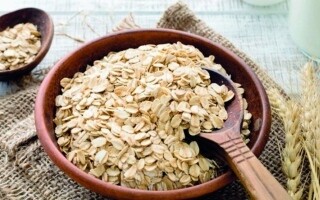
Fasting during this month is an opportunity to reorganize your lifestyle, including your eating habits and daily energy management. Specialists at the St. George's University School of Medicine in Grenada emphasize the importance of adopting balanced food choices and regulating iftar and suhoor, which helps fasting individuals maintain their activity, support the digestive process, and reduce bloating and fatigue throughout the holy month. After long hours of fasting, the digestive system enters a low-activity state and needs to be gradually reactivated; choosing the right foods for iftar and suhoor helps ease digestion, reduce discomfort, and minimize post-meal tiredness. Iftar• Dates: provide a quick energy boost due to their potassium and fiber content, helping to restore blood sugar levels.• Complex carbohydrates: such as brown rice, oats, potatoes, and whole-wheat bread; they provide a gradual and steady release of energy.• Lean proteins: like grilled chicken, fish, and legumes, which help repair and build muscle.• Cooked vegetables: such as zucchini, carrots, and spinach; they are easier to digest than raw vegetables. SuhoorFor suhoor, foods that help maintain energy levels and reduce hunger and thirst during fasting hours are suitable. Moderate exercise can be beneficial during Ramadan if timed appropriately, especially after iftar, while high-intensity workouts are advised against during fasting hours. Suitable options for suhoor include:• Oats and whole grains: they are ideal due to their slow digestion and ability to provide long-lasting energy.• Protein-rich foods: such as eggs, Greek yogurt, or cottage cheese; they help stabilize blood sugar levels.• Healthy fats: like nuts, seeds, and olive oil, which promote satiety and help the body burn energy efficiently. The amount of food and the speed of its consumption are no less important than the quality of the food itself. Eating too quickly after fasting can strain the digestive system, lead to a sudden spike in blood sugar, and cause bloating and lethargy after iftar. To avoid this, it is recommended to eat slowly and take short breaks between bites, which improves sleep quality and helps the body burn energy more efficiently. After iftar, light physical activities such as walking or stretching for 15-30 minutes are preferred; these movements aid digestion without causing unnecessary strain on the body.